
How to Rent Commercial Property Safely in India (2025 Guide
How to Rent Commercial Property Safely in India: The renting of commercial property is a great alternative for businesses looking to grow, establish their presence or or launch new ventures in India. With the most recent regulations, laws and guidelines as well as the latest digital rental Apps or platforms, securing the perfect commercial space is now more secure as well as more effective than ever before.
Traditional vs Modern commercial Renting: Overview Table
| Aspect | Traditional Renting | Modern Digital Renting |
|---|---|---|
| Property Search | Through agents, and newspaper ads | brokers Verified listings, online platforms and apps |
| Document Verification | Manual, time-consuming | Instant, automated verification |
| Lease Drafting and Registration | Physical and paper-based | E-agreements, digital signatures |
| Payment | Cash, cheque | Secure online payment Payment tracking |
| Security | Agent dependent, some protections | Verified owners/tenants, background checks |
| Legal Compliance | Needs legal or expert assistance | Legal guidelines and templates for in-app use |
| Transparency | Limited, vulnerable to fraud | Full-time visibility, app history and review system |
Read More: How to Renew Rent Agreement Online
Step-by-Step Guide to Renting Commercial Property
1. Determine Business Needs
Find out the requirements: size of space, location, type (office or warehouse, retail) budget, visibility, and facilities. Major cities like Mumbai, Bengaluru, Delhi NCR and Hyderabad offer a wide range of commercial opportunities as well as Micro-locations.
2. Look for suitable properties
Make use of trustworthy online platforms and apps for verifiable listings and virtual tours and more detailed features. Platforms that are reliable reduce broker dependence and make the process faster.
3. Check Ownership and Legal Documents
Before finalizing, verify your title property is clear, Encumbrance Certificate (EC) as well as municipal approvals. Request:
- Title deed copy
- EC for outstanding debts/mortgages
- Approvals based on local Zoning laws
4. Negotiate Lease Terms
- Amount of rental (fixed/escalating)
- The lease term (most are between 3 to 9 years for commercial)
- Optional renewals and lock-in periods
- Sub-leasing and fit-out time
- The CAM (Common Area Maintenance) charges
- Rent-free set-up period, if feasible
5. Draft and register the lease Agreement
Commercial leases of more than 11 months need to be registered pursuant to the Registration Act of 1908. Stamp duty can vary (5-10% of the average rent). Both landlord and tenant need to be present, or have representatives to sign the agreement.
6. Learn about Taxation and Regulatory Aspects
- Rent income subject to GST at 18 percent
- TDS is to be deducted by tenants at 10% when annual rent is greater than Rs2.4 lakh
- Invoices for rental payments should include a GST number for input credit eligibility.
7. Take Handover and Set Up Business
Verify the property prior to signing the lease. You should ensure that you are aware of the amenities, utilities and the terms of their use. Verify compliance with local laws regarding building codes and safety in the event of fire and also the specific conditions of the business or the zoning.
8. Keep records and maintain compliance
Keep electronic records of lease payment, agreements, invoices and correspondence with your landlord to be used for audits or reviews of your business.
Read More: 12 Real Estate Rent Types Explained
Latest Laws and Rules on Renting Commercial Property in India
Lease Registration: Required for leases lasting more than 12 months, or when rent is more than Rs.1 lakh. States can use different thresholds.
Stamp Duty: 5-10% depending on the state; it is paid at the registration of leases.
GST Rent: for commercial properties is taxed 18 percent (if the landlord is registered for GST).
Rent Control Laws: Only applicable in certain states (e.g., Maharashtra) Always check local laws prior to signing leases.
Zoning and Environment: Companies must make sure that their commercial operations comply with local regulations for zoning and receive all necessary environmental approvals.
The End of Lease: Notice periods in commercial property generally are between three to six months, and include penalties for early exit. Examine renewal and exit clauses during negotiations.
Frequently Asked Questions
Q1. What documents are required to lease commercial property?
You require title deeds and an Encumbrance Certificate, municipal approvals, lease agreement that includes GST clause, as well as owner/tenant ID documents.
Q2. Is the registration of lease compulsory for commercial properties?
If the lease amount is greater than 1 lakh, or the lease is more than 11 months registration with the sub-registrar will be required and is paid through taxation.
Q3. What taxes are applicable to rent of commercial properties?
GST (18%) applies when your landlord has been registered. Tenants are required to take deductions of TDS (10%) when their annual rent is more than Rs 2.4 lakh in accordance with Indian tax laws.
Q4. Can I sublease a rented commercial space?
It depends on your lease agreement. You should negotiate sub-leasing rights prior to signing, particularly for larger areas.
Q5. What security checks should I conduct before renting?
Check for clear title, examine the condition of the property, verify for fire and safety regulations and look over CAM costs prior to the time of purchase.
How Goodtenent App Helps Rent Commercial Property Safely
Goodtenent is rapidly becoming an indispensable source for secure commercial leasing that is risk-free across India. It is transforming the business owner and landlords:
Verified Listings: Each property and owner is verified for legal title and status, thus reducing the risk of fraud.
Tenant Screening: Businesses renting commercial spaces can establish an online reputation, upload authentic documents and gain access to the landlord's ratings.
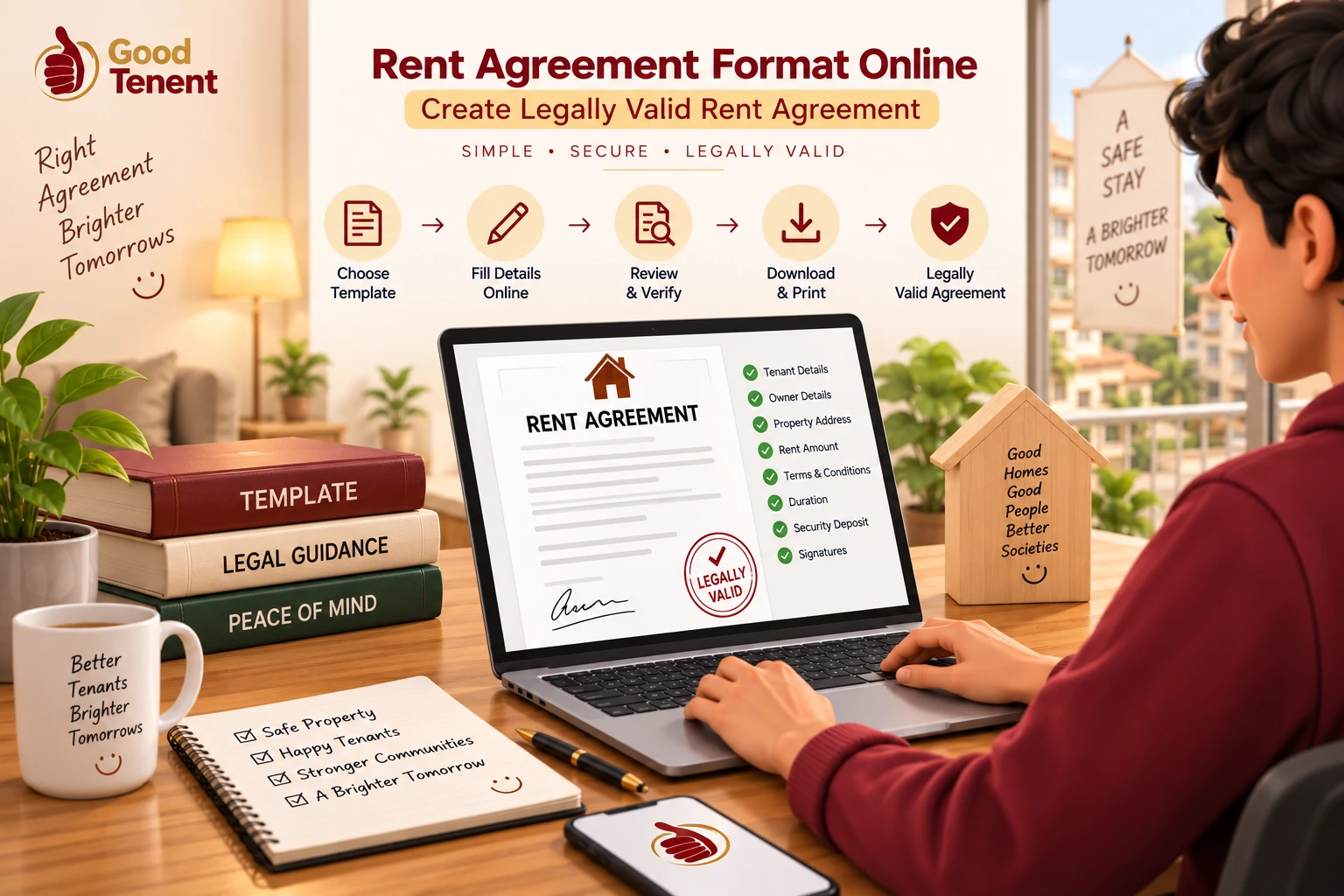
Digital lease agreements: Make, read and sign lease agreements directly within the app through Magreement service, with a compliance check guide and support for GST.
Payment Security: Pay rent securely via in-app gateways, with automated receipts and record-keeping through GoodTenent Wallet service.
Transparency: Examine the history of feedback and the performance of tenants and landlords prior to making a decision to sign.
Legal Assistance: Access templates, legal guidelines and professional assistance for all document writing and registration procedures through Legal Cell.
By streamlining verification, automating compliance, and ensuring transparency, Goodtenent helps companies and landlords avoid costly errors as well as legal issues and operational risk.